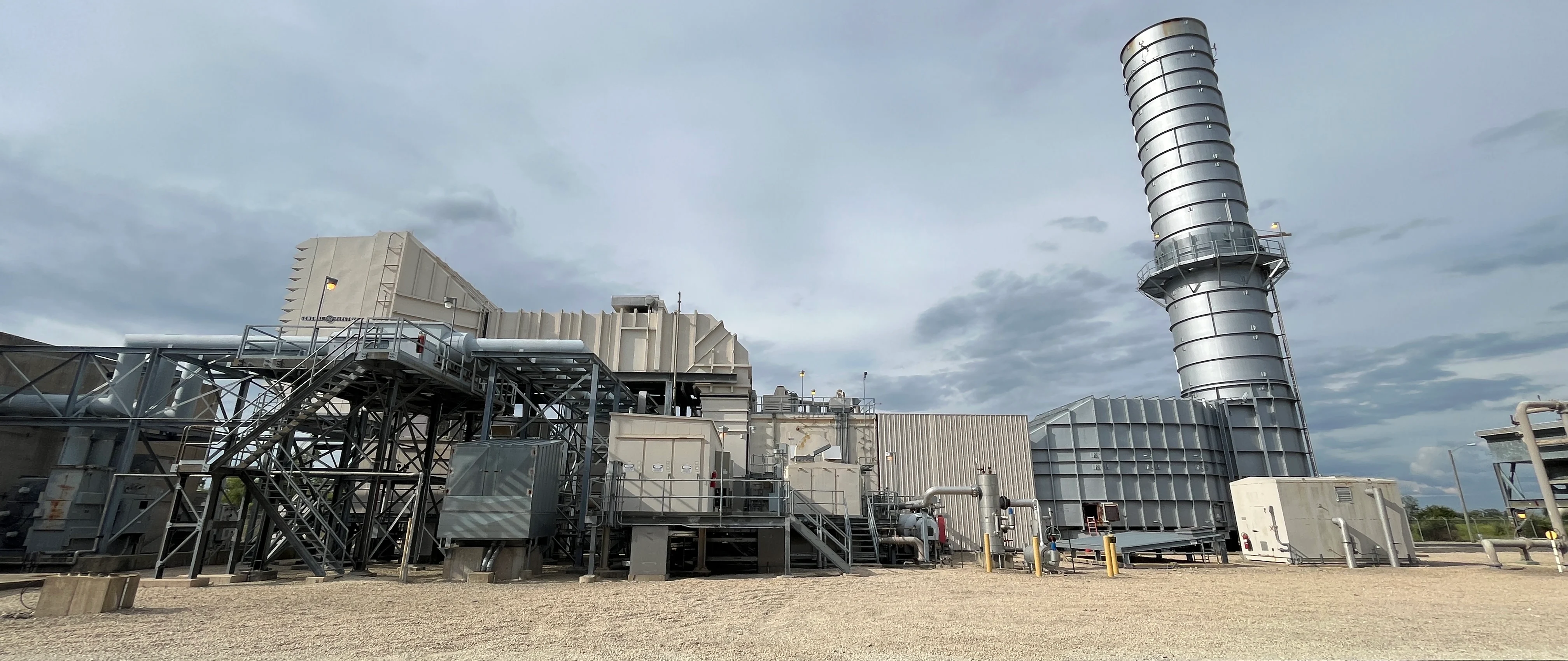
In just nine months, a Texas-based power plant successfully transformed a 1987-vintage 2×1 7EA combined-cycle facility into a high-performance peaking operation capable of competing in the ERCOT market.
Facing the loss of its steam host and the inability to rely on traditional NOx control methods, plant owners needed a solution that would maintain operations, meet a 9-ppm NOx requirement, and avoid costly timeline constraints of OEM-driven or SCR-based approaches. Rather than retire the facility, a fast-track conversion to simple-cycle peaking operation was pursued.
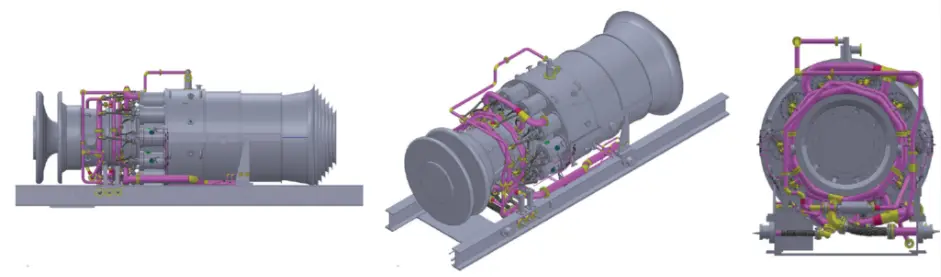
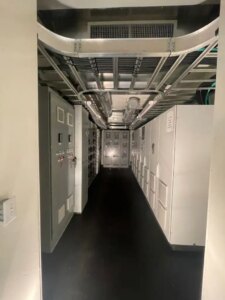
The conversion came to life with the implementation of an open-market DLN-1 combustion system, replacing the legacy steam-injected combusters. TTS played a critical role in delivering this solution, leading the integration of the DLN-1 system, turbine controls, combustion system modifications, and fuel delivery infrastructure. This included deployment of a TTS TMS-1000R control system, advanced fuel metering, valve configurations, and AutoTune capabilities to support reliable, low-emissions operations.
The project required complex engineering coordination, including the sourcing and validation of combustion hardware from multiple suppliers, extensive flow testing and modeling to meet emissions targets, and full integration with modernized plant control systems. Project challenges were overcome with the end results of unit emission compliance without a need for retuning during the commissioning phase, attesting to the precision of both the design and implementation.
The project was completed on schedule in July of 2024, leaving an upgraded facility that can now operate as a flexible peaker with capabilities of rapid dispatch and sustained operation in ERCOT’s competitive market. The use of open-market components facilitates long-term economic advantages, competitive sourcing of replacement parts, and increased flexibility in outage planning.
This project highlights how strategic engineering, non-OEM collaboration, and advanced control system integration can extend asset life, reduce capital investment, and unlock new market value for aging gas turbine fleets.